
Supporting Kids and Teens with ADHD When the Winter Weather Won’t Quit
By Shaina Wagner, ACSW, ADHD Specialist
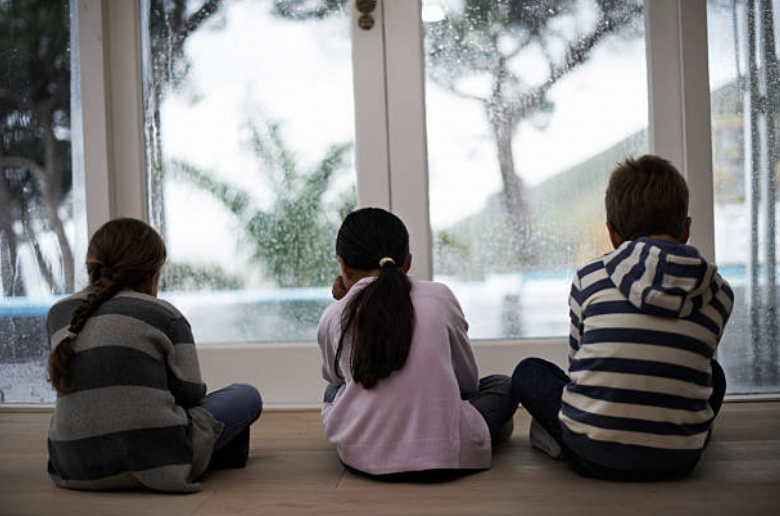
Living in Southern California, we expect sunshine! In places like Solana Beach, Encinitas, Del Mar, Carlsbad, and San Diego, outdoor time is often part of daily regulation for kids and teens. Though when winter storms linger and gray skies stretch on, many families notice something shifts.
For children and teens with ADHD, those shifts can feel amplified. Restlessness can increase, motivation may dip, and emotions seem to sit closer to the surface. Parents may find themselves wondering why a week that “shouldn’t be a big deal” suddenly feels like one.
There are real reasons for this, and there are steady ways to help.
Why Weather Changes Can Hit ADHD Harder
Children and teens with ADHD rely heavily on movement and environmental stimulation to regulate attention and mood. When outdoor play, sports, and social plans are disrupted, the nervous system loses one of its most reliable outlets.
Research consistently shows that regular physical activity supports executive functioning, attention, and emotional regulation in youth with ADHD. Even moderate movement helps activate the neurotransmitter systems involved in focus and impulse control. When rainy or gray skies stretch to limit that movement, many kids are not simply bored. Rather, their brains are missing a key regulatory tool.
Time outside matters in another way as well. Studies have found that children with ADHD tend to show milder symptoms after spending time in green outdoor spaces compared to more built or indoor settings. Nature appears to reduce cognitive fatigue and support sustained attention. Even brief exposure can make a measurable difference!
When days feel darker and more confined, increased irritability or inattention is often a nervous system response, not a behavioral problem.
What You Might Notice at Home
When winter lingers, families often report:
Shorter fuses
More sibling conflict
Increased screen time struggles
Difficulty initiating homework
Changes in sleep
A drop in motivation
Sleep deserves particular attention. Research shows that sleep disruption can significantly worsen attention, emotional regulation, and impulse control in children and adolescents with ADHD. Reduced daylight, inconsistent routines, and increased evening screen time during inclement weeks can subtly affect circadian rhythms, especially for teens. Keep in mind sometimes what looks like defiance is fatigue layered on top of executive function strain.
Practical Ways to Support Regulation During Gray Weeks
1. Make Movement Intentional
If sports are canceled and recess is limited, movement needs to be built in deliberately:
Short indoor obstacle courses
Music and dance breaks
Yoga or stretching flows
Garage basketball or wallball
Family walks between rain showers
The goal is not intense physical activity but regulation. Even brief bursts of moderate movement can improve attention afterward.
2. Recreate “Green Time” When You Can
If the rain pauses, step outside. Even short exposure to natural light and greenery can help reset attention systems. When going outside is not possible, open curtains, sit near windows, or bring plants into shared spaces. The nervous system responds to small environmental shifts.
3. Increase Structure, Not Pressure
When routines are disrupted, executive demands rise. Research in child development shows that predictable structure reduces cognitive load and supports emotional stability.
Consider:
Visual daily schedules (white boards in a shared family space are excellent!)
Clear start and stop times
Breaking homework into smaller segments
Previewing transitions (i.e., 5 minutes left of screen time, 15 more minutes until bedtime, etc.). ADHD can make transitions difficult, so these previews can help the brain process and prepare in advance.
Structure supports the ADHD brain. It’s not about control, but conserving mental energy.
4. Protect Sleep
Aim for consistent wake and sleep times. Be sure to dim lights in the evening and reduce stimulating screen use before bed. Sleep and ADHD influence each other in both directions. When sleep improves, attention and mood often follow.
5. Regulate Yourself First
Research on co-regulation shows that children borrow nervous system stability from steady adults. When caregivers slow their breathing, lower their tone, and repair after conflict, children are more likely to regain control.
You do not have to be perfectly calm, you just have to be willing to model steadiness and repair, which matters more than any single strategy.
A Note for Southern California Families
When cloudy weather stretches on in coastal communities like Solana Beach or nearby Encinitas, Carlsbad, and Del Mar, families can feel caught off guard. We are used to outdoor access being part of daily life!
If your child feels different during these stretches, you are not imagining it. And if irritability, anxiety, shutdown, or school avoidance persist beyond weather patterns, additional support can help. Therapy offers structure, coping tools, and parent guidance tailored to how your child’s brain works.
At Seaglass Therapy Co., we support children, teens, parents, and caregivers navigating ADHD in-person throughout Solana Beach and nearby cities, and telehealth across the state of California. You don’t have to wait for the sun to return to get support
Reflection Questions for Parents
Have I noticed changes in my child’s mood or attention when outdoor time decreases?
What patterns show up during prolonged rainy or cloudy weeks?
Is my child getting enough movement each day to support regulation?
Has sleep shifted recently?
Am I responding to behavior as defiance, or could this be nervous system fatigue?
What small environmental adjustments could support my child this week?
Where might I need more support as a parent during these stretches?
Sometimes awareness alone changes the tone in a household.
References
Cerrillo-Urbina, A. J., et al. (2015). The effects of physical exercise in children with attention deficit hyperactivity disorder: A systematic review and meta-analysis. Journal of Attention Disorders, 19(5), 353–368.
Kuo, F. E., & Taylor, A. F. (2004). A potential natural treatment for attention-deficit/hyperactivity disorder: Evidence from a national study. American Journal of Public Health, 94(9), 1580–1586.
Becker, S. P., et al. (2019). Sleep problems and ADHD symptoms in youth: A meta-analytic review. Sleep Medicine Reviews, 43, 34–45.
Evans, G. W., & Wachs, T. D. (2010). Chaos and Its Influence on Children’s Development. American Psychological Association.
Professional Disclaimer
This blog is written for educational and informational purposes only and is not a substitute for individualized mental health care, diagnosis, or treatment. Reading this content does not establish a therapeutic relationship with Seaglass Therapy Co. or any of its clinicians.
The information shared in this article is informed by peer-reviewed research in psychology, child development, and behavioral health, as well as established evidence-based therapeutic approaches. While every effort is made to ensure accuracy and relevance, mental health needs are highly individual, and strategies that are helpful for one person or family may not be appropriate for another.
If you or your child are experiencing significant emotional distress, safety concerns, or worsening symptoms, please seek support from a licensed mental health professional or contact emergency services as needed.
Seaglass Therapy Co. provides therapy services in Solana Beach and throughout San Diego County, as well as telehealth services across California.
