
Why Aging Can Bring Unexpected Anxiety and What Can Help
By Shaina Wagner, ACSW
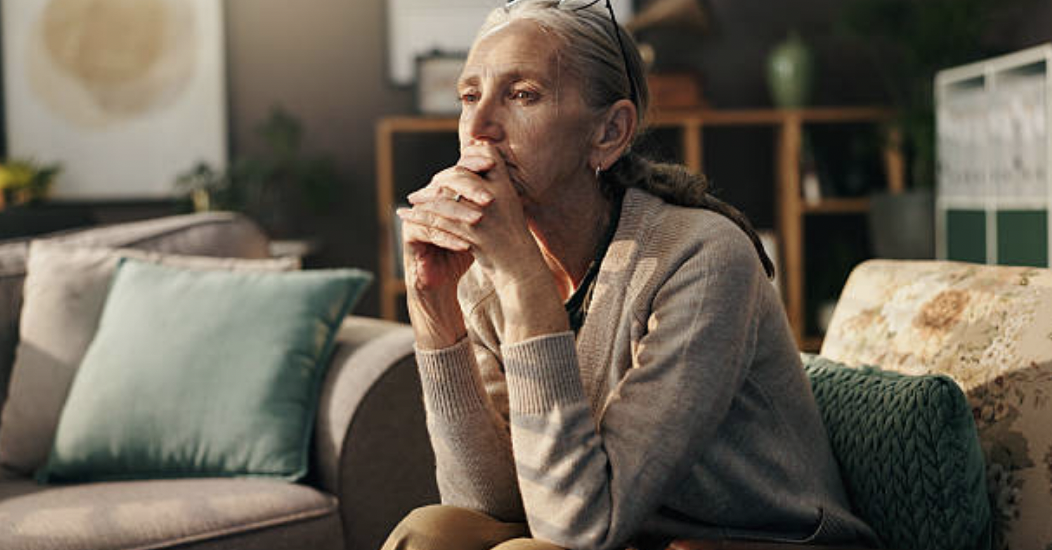
Many people are surprised when anxiety shows up later in life. Older adulthood is often imagined as a time of greater calm and perspective. So when worry, restlessness, or a sense of unease begins to surface, it can feel confusing or even discouraging. It can also lead to depression.
From a clinical perspective, anxiety in older adulthood is common and understandable, though anxiety nor depression are symptoms of aging. It is not a personal weakness or a sign that something is wrong with you. More often, it is a response to change.
Why Anxiety Can Increase with Age
Anxiety rarely appears without context. It often develops when the nervous system is adjusting to change, loss, or uncertainty, all of which tend to increase with age. Symptoms of anxiety can show up due to:
Life transitions and role changes: Retirement, changes in daily structure, or shifts in identity can leave people feeling unsettled. Even positive changes can disrupt routines that once provided a sense of stability.
Health changes and medical uncertainty: New diagnoses, chronic conditions, or frequent medical appointments can increase worry. Research shows a strong connection between physical health concerns and anxiety, especially when the future feels unclear.
Loss and grief: Later life often brings multiple losses. This may include the death of loved ones, changes in independence, or physical limitations. Grief does not always show up as sadness. For many people, it looks more like worry or persistent unease.
Increased awareness of vulnerability: As people age, they may become more aware of safety, dependency, or mortality. This awareness can quietly activate anxiety, even when daily life feels relatively stable.
Why Anxiety in Older Adults Is Often Missed
Anxiety in older adults does not always look like panic or constant worry. It can be subtle and is often dismissed as a normal part of aging. Some common signs include:
Difficulty sleeping
Ongoing tension or restlessness
Frequent worry about health, finances, or loved ones
Feeling easily overwhelmed
Avoiding activities that once felt manageable
Memory loss or thought process feeling “fuzzy”
Because these symptoms overlap with physical health concerns, anxiety in older adults can go unrecognized and untreated for long periods of time.
What Can Help
Anxiety is treatable at any age. Research consistently shows that older adults respond well to evidence-based mental health care such as:
Therapy: Approaches such as cognitive behavioral therapy, mindfulness-based therapy, and supportive psychotherapy have been shown to reduce anxiety in older adults. Therapy can provide space to process change, develop coping strategies, and feel less alone.
Supporting the nervous system: Gentle practices such as steady breathing, light movement, and consistent routines can help reduce anxiety over time. These approaches support the body’s ability to settle and recover from stress.
Connection: Loneliness and anxiety are closely linked. Meaningful connection, whether through relationships, community, or therapeutic support, plays an important role in emotional wellbeing.
Understanding anxiety differently: When anxiety is viewed as a signal rather than a new symptom of aging, many people experience relief. This shift reduces feelings of frustration or grief and makes symptoms easier to manage.
A Gentle Reframe
Experiencing anxiety later in life does not mean you are losing resilience or moving backward. Often, it means your nervous system is responding to real changes with the goal of keeping you safe.
With the right support, anxiety can soften. Many older adults find that therapy later in life brings not only symptom relief, but also greater self-understanding and emotional ease.
It is never too late to care for your mental health.
Reflection Questions
You may find it helpful to take a moment to reflect on a few of the questions below. There are no right or wrong answers, only observations. Reflection is not about fixing anything. It is often the first step in understanding what you need!
When do I notice anxiety showing up most in my day-to-day life?
What changes or losses have I been adjusting to recently, even if they feel “expected” or minimized by others?
How does my body tend to signal stress or worry before my thoughts catch up?
What has helped me feel steadier or more grounded in the past?
Where might additional support or connection be helpful right now?
Frequently Asked Questions
Is anxiety a normal part of aging?
Anxiety is not an inevitable part of aging, but it is common in later life. Many older adults experience anxiety related to health changes, life transitions, loss, or increased uncertainty. With appropriate support, anxiety can be effectively managed at any age.
What are common signs of anxiety in older adults?
Anxiety in older adults may show up as ongoing worry, sleep difficulties, restlessness, muscle tension, or avoidance of certain activities. It can also appear alongside physical symptoms, which is why it is sometimes overlooked.
Can therapy help anxiety later in life?
Yes. Research shows that therapy can be very effective for older adults experiencing anxiety. Evidence-based approaches such as cognitive behavioral therapy and supportive psychotherapy are commonly used and well tolerated in later life.
How is anxiety different from normal stress in older adulthood?
Stress tends to be tied to specific situations and eases when circumstances change. Anxiety often feels more persistent and may continue even when there is no immediate stressor. A mental health professional can help clarify the difference.
When should an older adult seek support for anxiety?
If anxiety begins to interfere with sleep, relationships, daily activities, or overall wellbeing, it may be helpful to seek professional support. Early intervention can reduce distress and improve quality of life.
Disclaimer
The information shared is informed by current clinical research and evidence-based approaches to mental health care for older adults, including widely accepted therapeutic models used in the treatment of anxiety.
These concepts are referenced for educational purposes only and is not a substitute for therapy or professional mental health care.
Every individual’s experience is unique. If you are experiencing ongoing anxiety, emotional distress, or changes in wellbeing, support from a licensed mental health professional may be helpful.
